
Fire Safety Audit Explained: Ensuring Legal Compliance
- north10049769
- Feb 15
- 7 min read
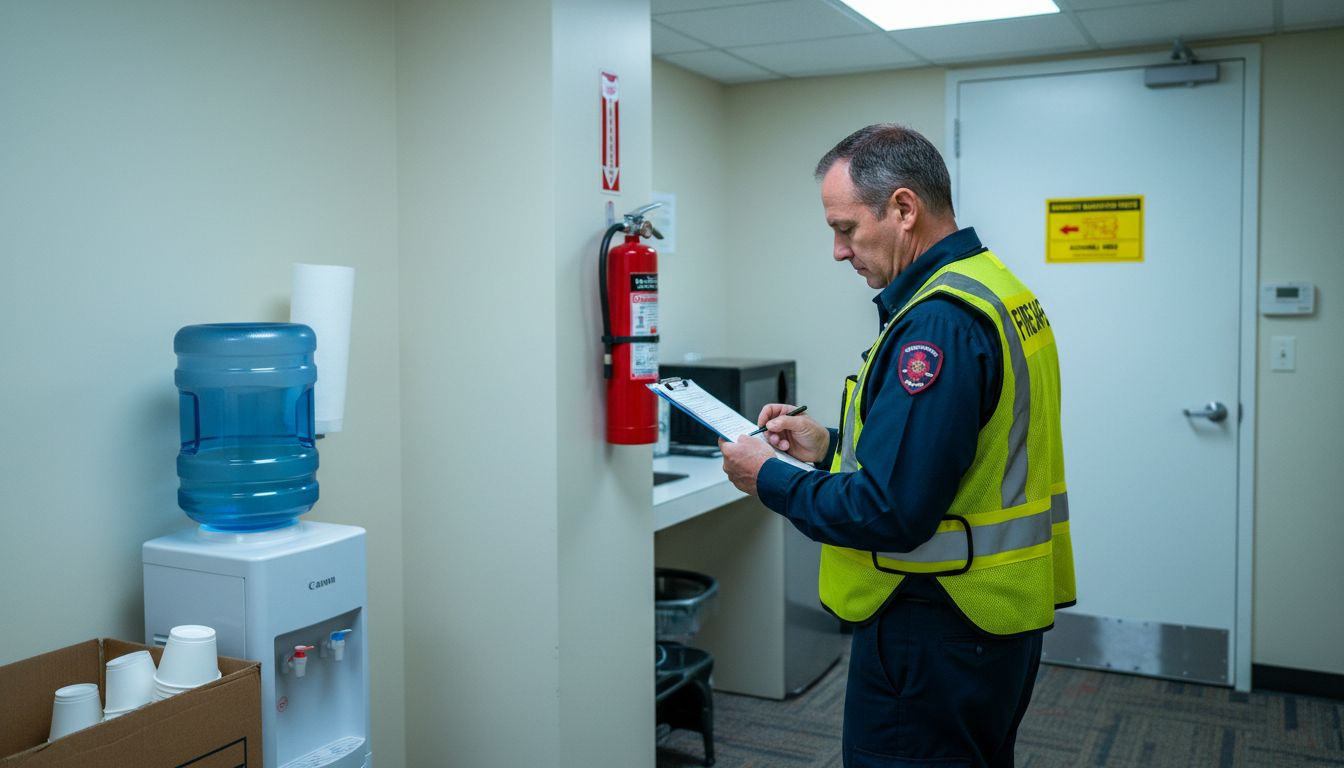
Managing multiple commercial properties across Greater Manchester can feel like a constant balancing act between compliance and practical safety. For facility managers, fire safety audits are the backbone of preventing serious hazards while meeting legal obligations. With so many facets to evaluate, from workplace risks to equipment checks, understanding what a thorough audit truly involves could make the difference between a routine inspection and a life-saving intervention.
Table of Contents
Key Takeaways
Point | Details |
Comprehensive Audits Are Crucial | Fire safety audits assess organisational safety beyond checklists, essential for identifying vulnerabilities. |
Legal Compliance Is Mandatory | Building owners must maintain fire safety standards to avoid severe legal repercussions and ensure occupant safety. |
Effective Implementation Is Key | Auditors should develop comprehensive checklists to transform fire safety from compliance into genuine risk management. |
Continuous Improvement Is Essential | Regular reviews and updating of fire safety protocols are necessary to enhance organisational resilience against fire risks. |
Fire Safety Audit: What It Involves
A fire safety audit represents a comprehensive systematic evaluation designed to assess and enhance workplace fire prevention strategies and emergency preparedness. These detailed assessments go far beyond simple checklist exercises, diving deep into an organisation’s comprehensive fire safety infrastructure and identifying potential vulnerabilities before they become critical risks.
The core objectives of a fire safety audit typically encompass multiple critical dimensions:
Hazard identification across workplace environments
Comprehensive review of existing fire protection measures
Assessment of current emergency response preparedness
Verification of regulatory compliance standards
Documentation and tracking of potential fire risks
Professional fire safety audits meticulously examine multiple aspects of organisational safety. Fire safety standards evaluation involves scrutinising everything from physical infrastructure and equipment to staff training protocols and emergency evacuation procedures. Auditors systematically analyse potential ignition sources, evaluate fire suppression systems, inspect electrical installations, and assess how effectively personnel understand and can implement emergency response plans.
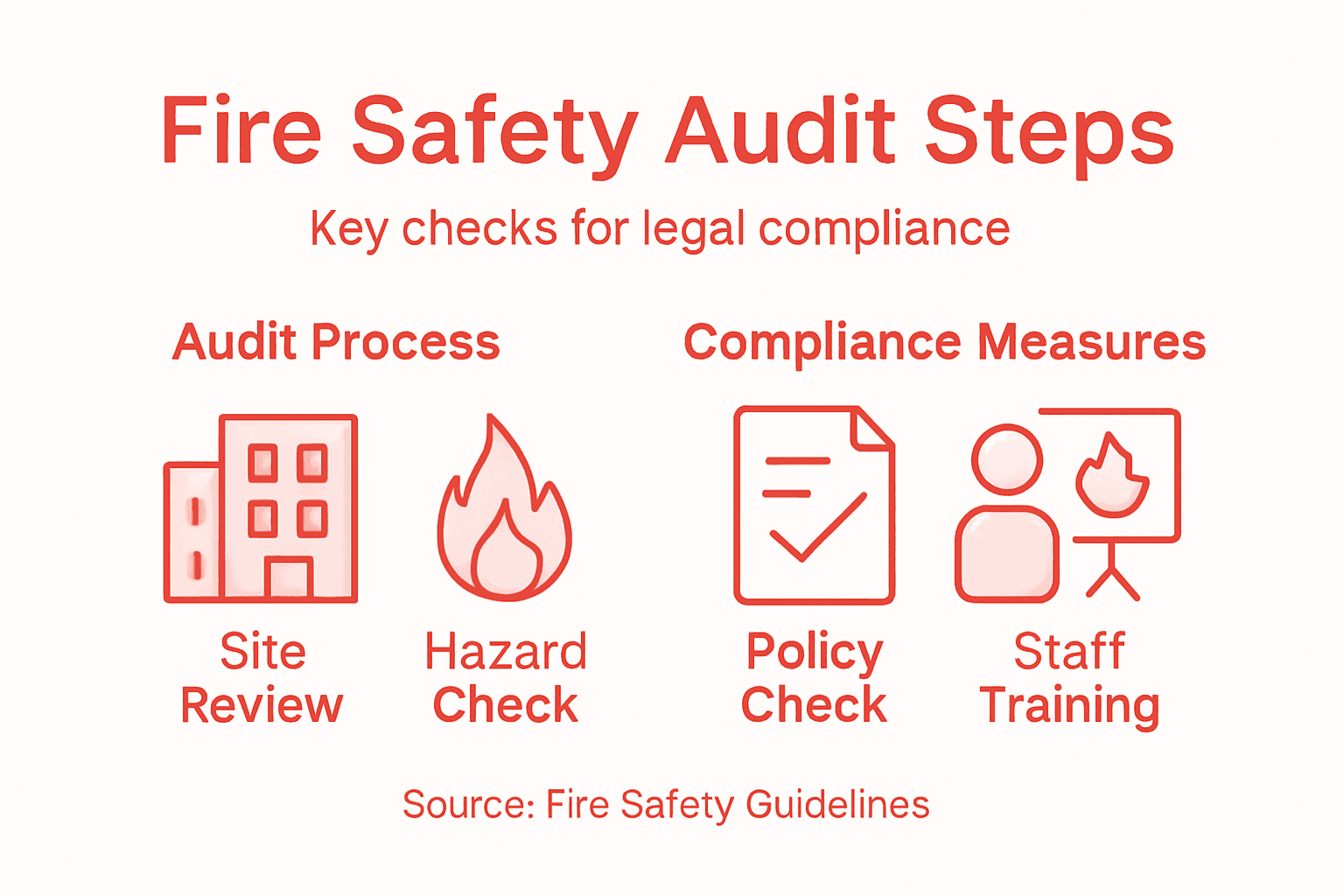
The audit process typically follows a structured methodology that includes preliminary research, on-site inspection, detailed documentation, and recommended remediation strategies. Trained fire safety professionals will conduct thorough walkthroughs, interview key staff members, review existing documentation, and compile comprehensive reports highlighting potential improvements and compliance gaps.
Pro tip: Always schedule your fire safety audit during periods of normal workplace operations to gain the most authentic assessment of your organisation’s actual emergency preparedness.
Types of Fire Safety Audits for Buildings
Fire safety audits are crucial assessments that organisations use to evaluate their building’s fire prevention and emergency response capabilities. These comprehensive evaluations are not one-size-fits-all, but rather tailored approaches designed to address specific aspects of fire safety and regulatory compliance.
The primary types of fire safety audits include:
Physical Infrastructure Audits: Examining building structure, materials, and potential fire hazards
Equipment Compliance Audits: Evaluating fire protection systems
Procedural Review Audits: Assessing emergency response protocols and staff training
Regulatory Compliance Audits: Checking adherence to local and national fire safety regulations
Risk Management Audits: Identifying and mitigating potential fire-related risks
Comprehensive fire safety program evaluations go beyond simple inspections. They involve detailed assessments of organisational preparedness, including reviewing emergency management strategies, analysing evacuation procedures, and examining staff training effectiveness.
Each audit type serves a unique purpose in ensuring building safety. Physical infrastructure audits focus on structural elements and potential fire risks, while equipment compliance audits thoroughly examine fire suppression systems, alarm mechanisms, and emergency lighting. Procedural review audits delve into the human elements of fire safety, assessing how well staff understand and can implement emergency response plans.
The following table provides a quick overview contrasting different types of fire safety audits and their primary focus areas:
Audit Type | Main Focus | Typical Reviewer |
Physical Infrastructure | Building structure, materials | Structural safety expert |
Equipment Compliance | Alarms, suppression systems | Fire system technician |
Procedural Review | Staff readiness, procedures | Safety officer |
Regulatory Compliance | Adherence to legal standards | Compliance inspector |
Risk Management | Hazard identification, trends | Risk manager |
A comprehensive fire safety audit is not just a compliance exercise, but a critical investment in protecting lives and property.
Pro tip: Rotate between different audit types annually to ensure a comprehensive and multi-dimensional approach to fire safety management.
Legal Duties and Compliance Standards
Building owners and managers face complex legal responsibilities in maintaining fire safety standards that protect occupants and property. Fire safety regulations impose stringent requirements that demand proactive management and continuous compliance across multiple operational dimensions.
Key legal duties encompass several critical areas:
Maintaining up-to-date fire prevention systems
Conducting mandatory safety inspections
Documenting emergency response protocols
Training employees in fire safety procedures
Ensuring structural and equipment compliance
Comprehensive compliance frameworks require organisations to establish robust documentation systems that demonstrate ongoing commitment to fire safety standards. These frameworks typically involve systematic record-keeping, regular risk assessments, and transparent reporting mechanisms that allow regulatory bodies to verify adherence to established safety protocols.
Legal consequences for non-compliance can be severe, potentially including substantial financial penalties, legal liabilities, and potential prohibition of occupancy. Organisations must therefore view fire safety compliance not merely as a regulatory requirement, but as a fundamental responsibility to protect human life and organisational assets.
Compliance is not a one-time achievement, but a continuous commitment to safety and risk management.
Pro tip: Maintain a comprehensive digital documentation system that tracks all fire safety compliance activities, inspections, and training records to simplify regulatory reporting and demonstrate proactive risk management.
Conducting an Effective Fire Safety Audit
An effective fire safety audit requires a meticulous and systematic approach that goes beyond simple checklists and surface-level inspections. Comprehensive audit strategies demand thorough preparation, detailed documentation, and a holistic understanding of potential fire risks within an organisation.
The key stages of conducting a robust fire safety audit include:
Preliminary Research: Gather existing safety documentation and building plans
Physical Inspection: Systematically examine all facility areas
Equipment Assessment: Evaluate fire suppression and alarm systems
Documentation Review: Analyse emergency response protocols
Staff Competency Check: Assess employee fire safety training and awareness
Structured audit methodologies require auditors to develop comprehensive checklists that cover every critical aspect of fire safety. This involves not just identifying potential hazards, but also creating actionable recommendations for immediate and long-term risk mitigation.
Successful fire safety audits demand more than technical knowledge. Auditors must combine technical expertise with investigative skills, carefully observing workplace dynamics, communication protocols, and the practical implementation of safety procedures. The goal is not merely to identify risks, but to understand the organisational culture that either supports or undermines fire safety practices.
An effective fire safety audit transforms compliance from a bureaucratic exercise into a genuine commitment to protecting lives and property.
Pro tip: Create a digital audit tracking system that allows real-time documentation, immediate hazard flagging, and seamless follow-up on corrective actions.
Common Pitfalls and Enforcement Risks
Fire safety audits are fraught with potential systemic vulnerabilities that can compromise organisational safety and regulatory compliance. Inspection process weaknesses can create significant risks that undermine even the most well-intentioned safety strategies.
Common pitfalls organisations frequently encounter include:
Inconsistent documentation practices
Incomplete staff training programmes
Inadequate record maintenance
Ineffective communication protocols
Sporadic compliance monitoring
Enforcement challenges often emerge from resource constraints and systemic operational gaps. These limitations can result in superficial inspections, delayed violation resolutions, and a reactive rather than proactive approach to fire safety management.

The consequences of these pitfalls extend beyond administrative shortcomings. They can create genuine safety risks, potentially exposing organisations to legal liabilities, substantial financial penalties, and most critically, increased potential for catastrophic fire incidents. Organisations must recognise that robust fire safety is not a static achievement, but a dynamic, continuously evolving commitment.
Here is a summary of common fire safety audit pitfalls and their organisational impact:
Common Pitfall | Organisational Impact |
Inconsistent documentation | Gaps in audit traceability |
Incomplete staff training | Reduced emergency response capacity |
Poor record maintenance | Increased regulatory vulnerability |
Weak communication protocols | Slower incident reporting |
Irregular compliance checks | Higher risk of unnoticed violations |
Regulatory compliance is not a destination, but an ongoing journey of vigilance and improvement.
Pro tip: Implement a quarterly comprehensive review process that systematically evaluates and updates your fire safety protocols, ensuring continuous improvement and proactive risk management.
Take Control of Your Fire Safety Audit and Compliance Today
Understanding the complexities of a fire safety audit and staying ahead of legal duties can feel overwhelming. Many organisations struggle with maintaining clear documentation, consistent staff training, and meeting all regulatory requirements. Abbott Fire Protection offers expert support tailored to these challenges ensuring your workplace is equipped with reliable fire extinguishers, fire alarms and emergency lighting alongside thorough fire risk assessments. Protect your people and property by addressing these critical pain points with trusted solutions.
Don’t wait for potential enforcement risks or costly penalties. Visit Abbott Fire Protection now and explore how our comprehensive services can simplify compliance and enhance your fire safety strategy. For detailed guidance on fire risk assessments and equipment, explore fire risk assessments and the full range of fire safety solutions we provide to Greater Manchester and surrounding areas. Start your journey to a safer workplace today.
Frequently Asked Questions
What is a fire safety audit?
A fire safety audit is a comprehensive evaluation of a workplace’s fire prevention strategies and emergency preparedness, designed to identify vulnerabilities and ensure compliance with safety regulations.
Why is a fire safety audit important for legal compliance?
Conducting a fire safety audit helps ensure that organisations adhere to local and national fire safety regulations, thus mitigating legal liabilities and enhancing overall safety for occupants and property.
What are the main components of a fire safety audit?
A fire safety audit includes hazard identification, review of fire protection measures, assessment of emergency response preparedness, verification of regulatory compliance, and documentation of potential fire risks.
How often should a fire safety audit be conducted?
It is advisable to conduct fire safety audits at least annually, rotating between different audit types to comprehensively evaluate and improve fire safety management within the organisation.
Recommended
Comments